Studio Dialogues
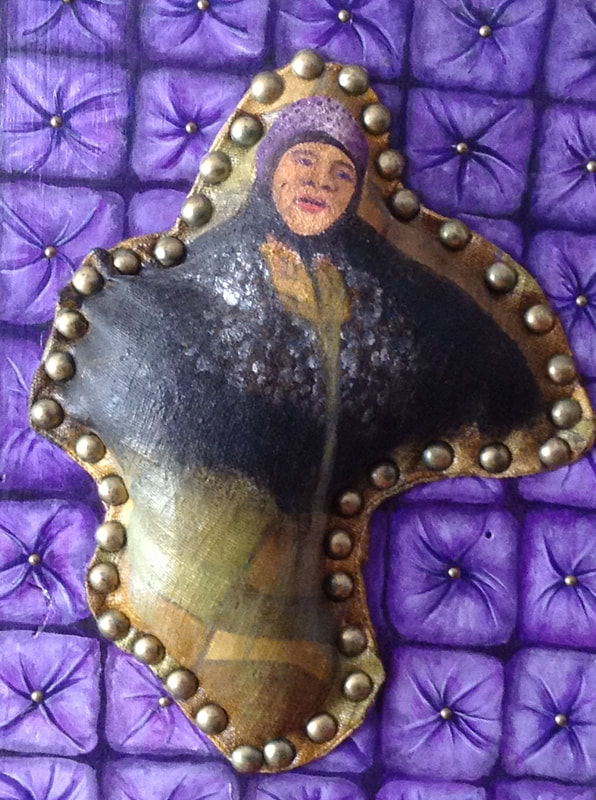
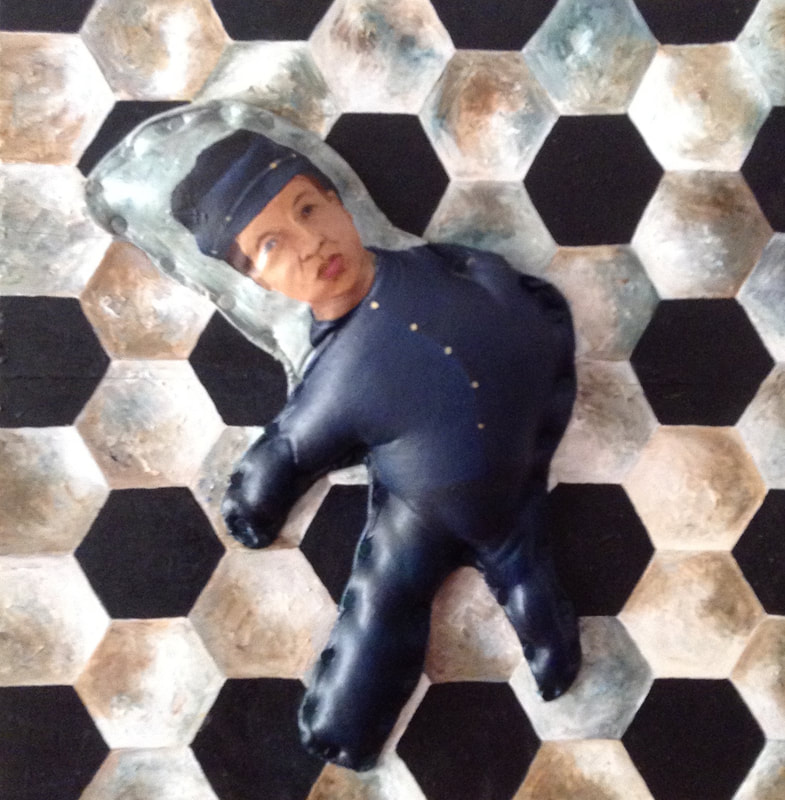
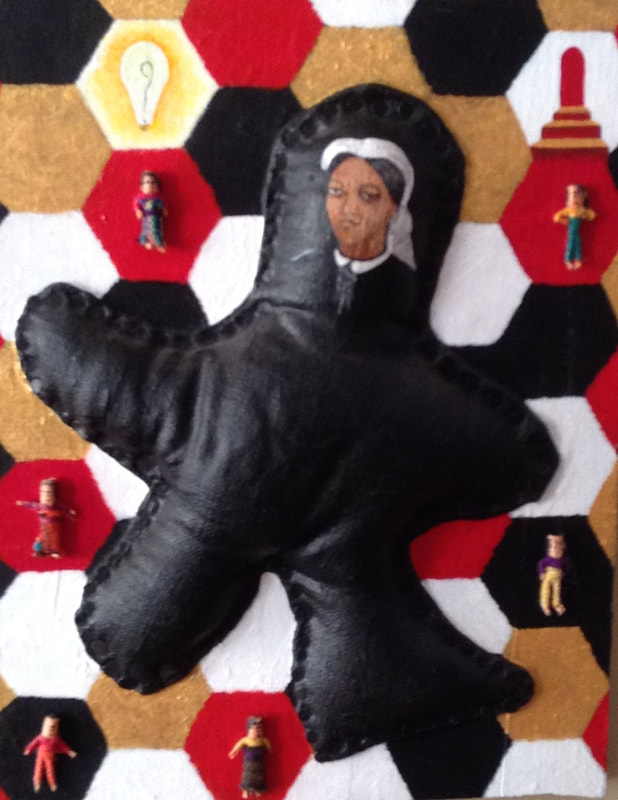
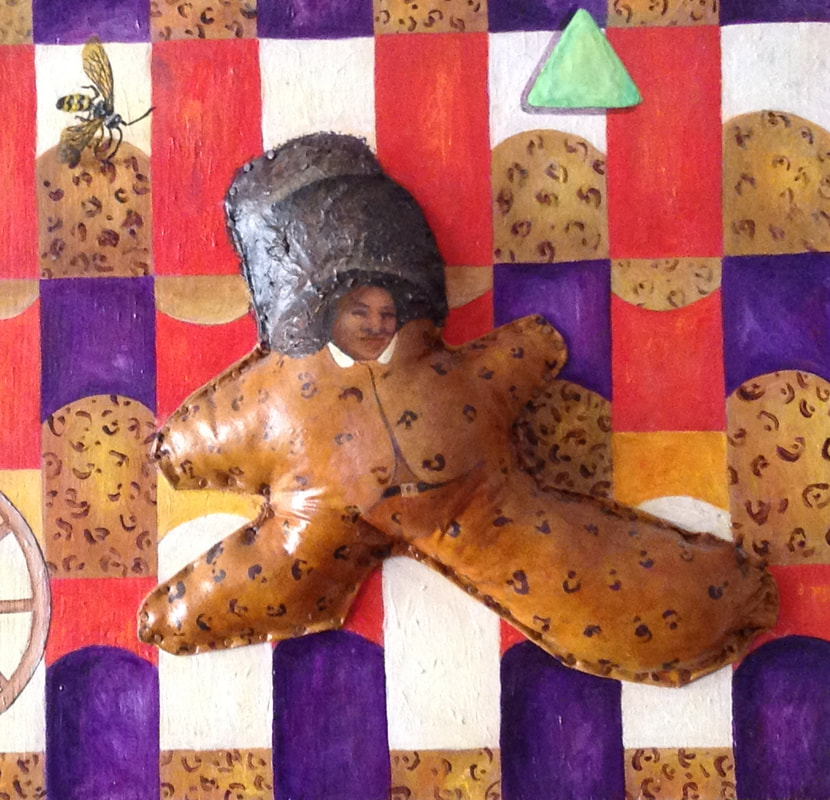
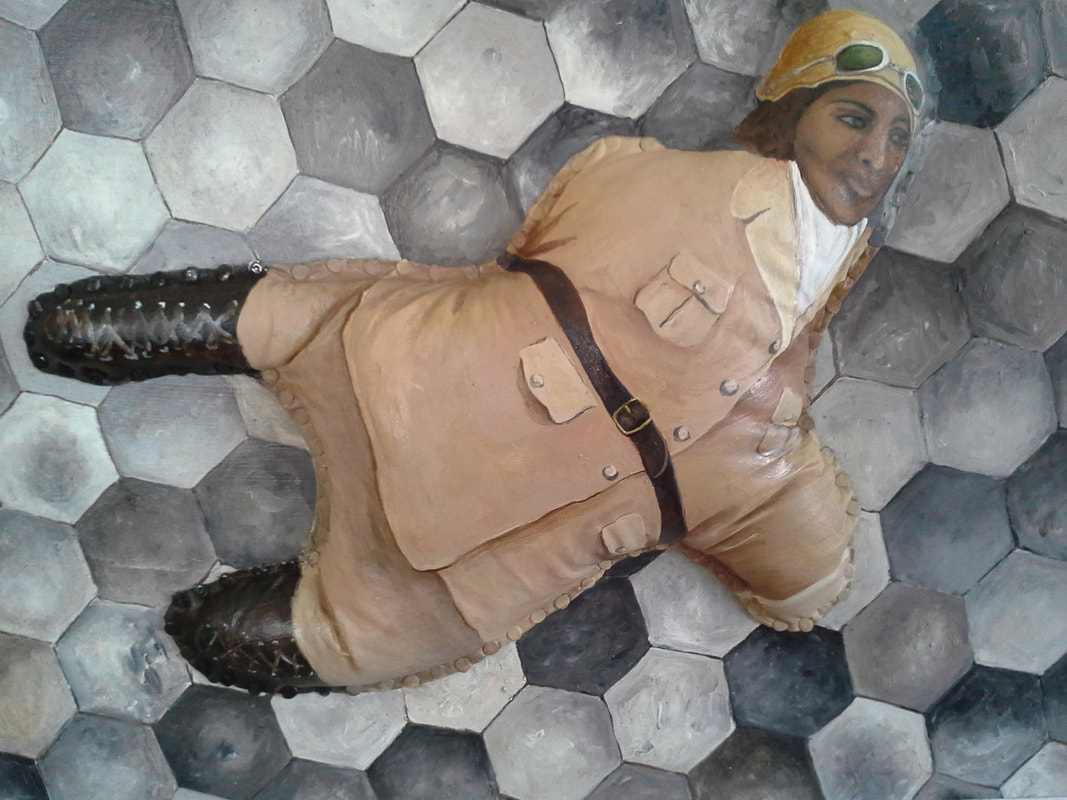
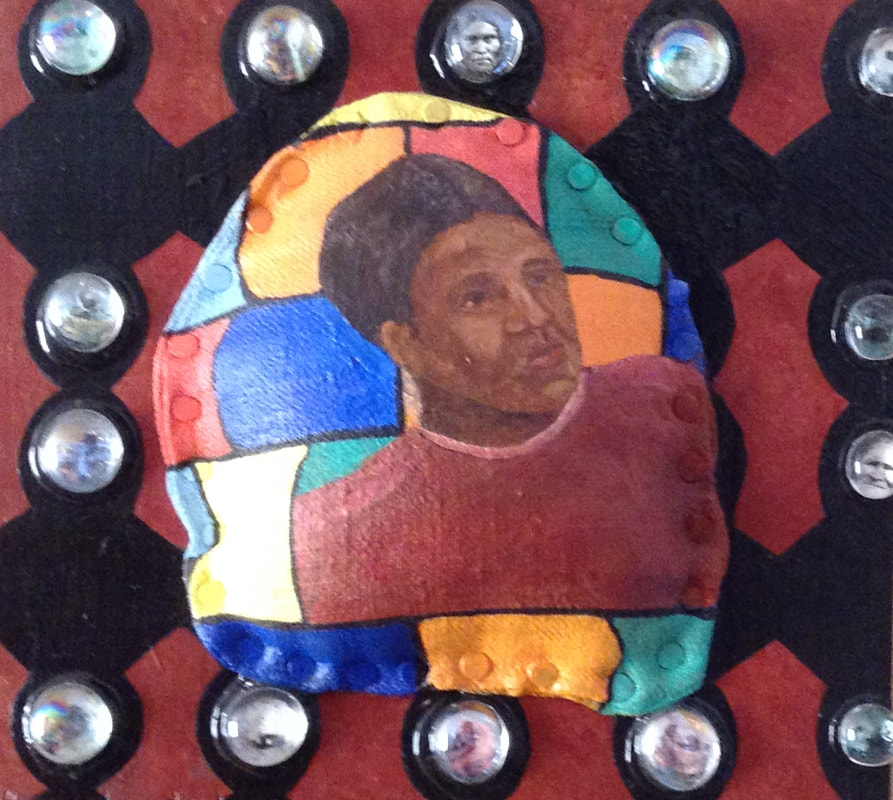
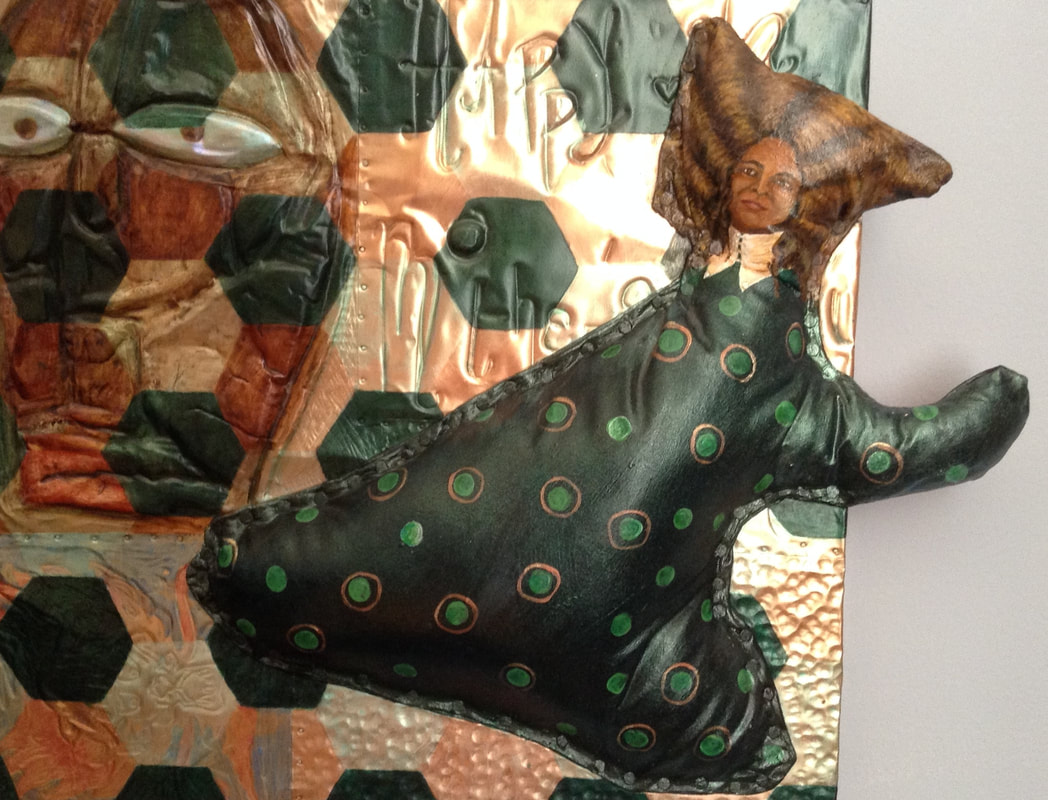
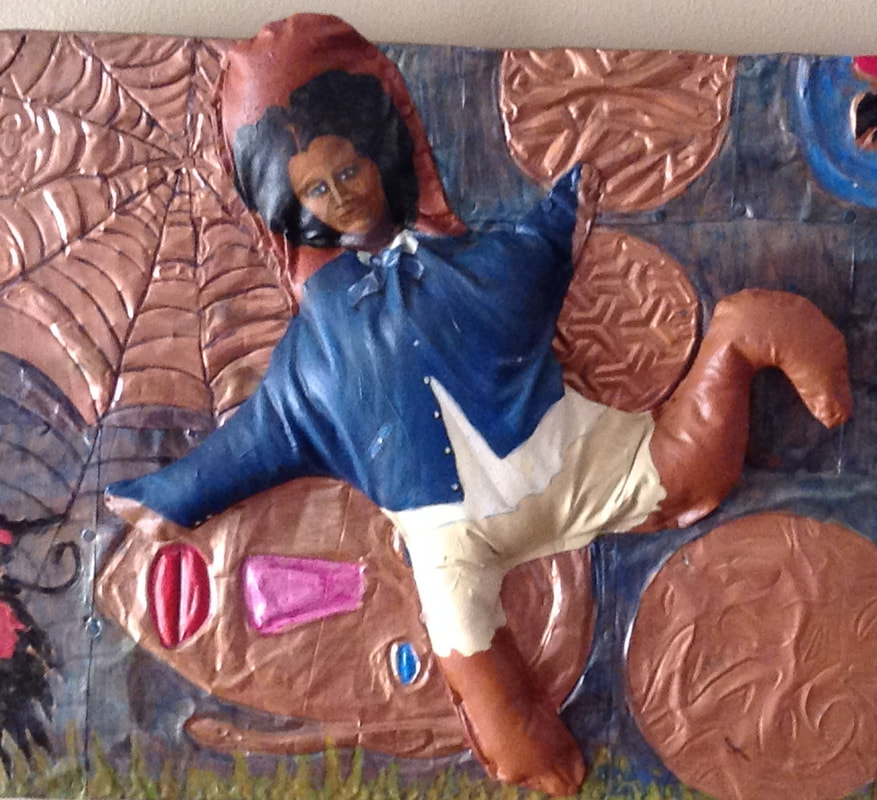
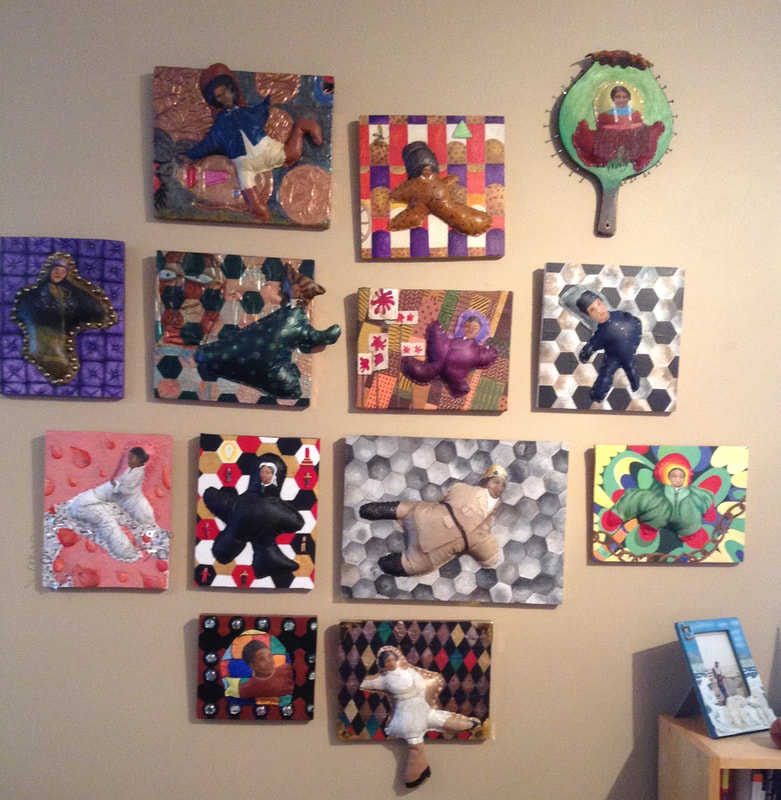
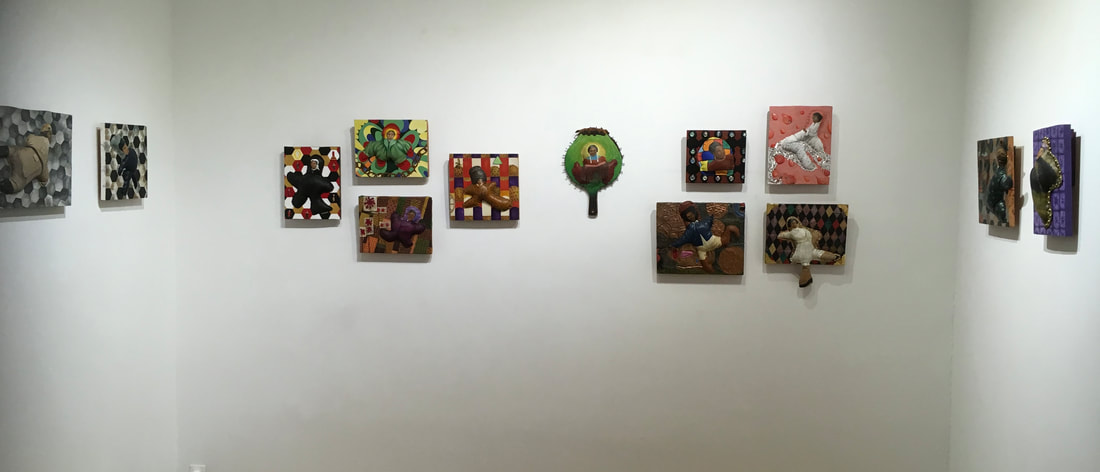
Honoring 13 inspiring and bold African American Women Artists/Activists
|
Visual Dialogues with these inspiring women is a response to absent African American women in schools and texts. When my middle school students were researching African Americans in the Gold Rush era, it was evident there was a gaping hole in the history when it came to females.
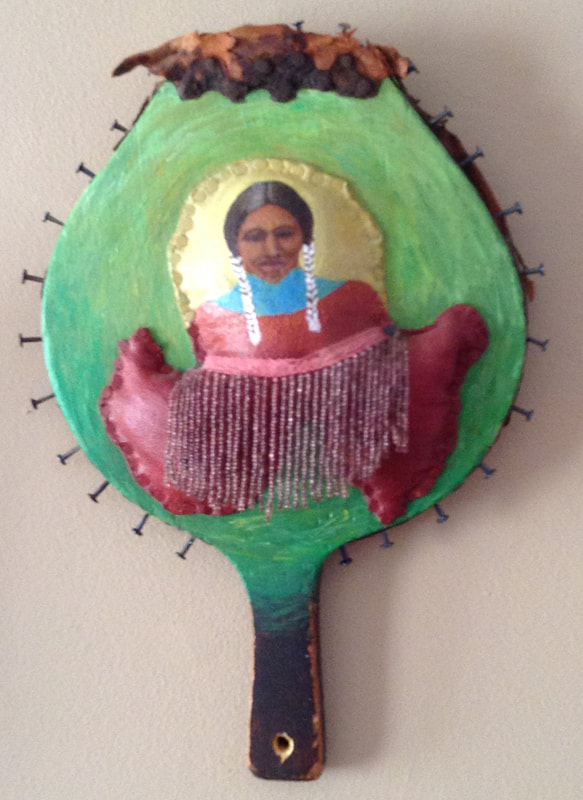
In the early 2000's middle school art students had the idea to make "women artists pillows" to commemorate a diverse range of historical women artists through history. In the computer lab and school library, they researched women artists around the world, drew and transferred portraits onto a variety of fabric pillow shapes. They were hand sewn and customized with artifacts, images and designs for each woman to represent their artist (Student Women: Kahlo, O'Keefe, Carr, Morisot, Grandma Moses, etc). Years later, I discovered some unmade pillow shapes in the pile I salvaged after leaving the school, with unrecognizable transferred faces, and copper embossed designs. These partially finished up-cycled 'student work' became my "found objects" which I then upcycled into these stick-out relief 'stick-out' paintings of African America Artist and Activists. |
|